Choosing the right condo for rent in the Philippines often comes down to one question: how much are you willing to set up yourself, and how much do you want ready on move-in day? Here's the short version before we get into the details.
- Bare unit — Lowest monthly rent, but you'll need to buy everything from lighting fixtures to appliances. Best for long-term renters who want to personalize their space and don't mind the upfront cost.
- Semi-furnished unit — A middle ground with basic fixtures and major appliances (like an air conditioning unit and kitchen counter) already installed. Ideal for renters who want some convenience without paying a premium for furniture they may not like.
- Fully furnished condo — Move-in ready with furniture, appliances, and sometimes even kitchenware included. Best suited for expatriates, students, or professionals who need to settle in fast and prefer flexibility over ownership.
The right choice depends on your budget, how long you plan to stay, and how much time you want to spend setting up your unit.
More Filipinos are renting condos than ever before, and the shift makes sense. Young professionals want to live closer to work, students need housing near their campuses, and remote workers are choosing units that fit a flexible lifestyle. Metro Manila alone has surpassed 14 million residents, with steady internal migration. New renters are added to the market every year as people move to the city for jobs, education, and better access to services.
That demand has pushed developers and leasing companies to offer more flexibility than ever, including how units are configured. Every condo unit for rent typically falls under one of three categories: bare, semi-furnished, or fully furnished. Rental supply and lease options across Metro Manila continue to diversify. Understanding these differences affects your total move-in cost, what's written into your condo lease, and the flexibility to personalize your space. Whether you're browsing a list of available condo units for the first time or comparing options for your next move, knowing what each configuration includes will save you time and money.
Understanding these differences affects your total move-in cost, what's written into your condo lease, and the flexibility to personalize your space.
Bare Unit vs. Semi-Furnished vs. Fully Furnished: What's the Difference?
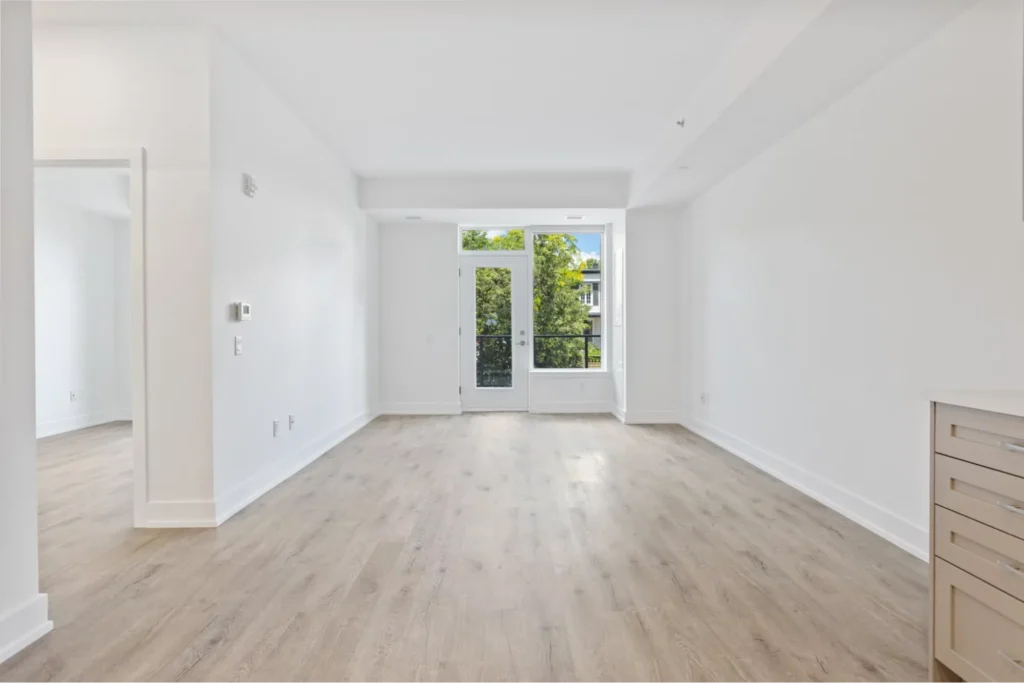
Photo courtesy of Point3D Commercial Imaging Ltd. via Unsplash
The level of furnishing plays just as big a role in your total housing cost as the unit's size or location. Two identical floor plans in the same building can carry very different monthly rents, simply because one comes empty and the other comes ready to live in. A bare unit demand more time and effort before you can move in. A furnished one on the other hand, lets you settle in right away for your convenience. Weighing these trade-offs early makes it easier to set a realistic budget and timeline for your move.
Every condo unit for rent generally falls into one of three configurations, and DMCI Leasing units are no exception, offering bare, semi-furnished, and fully furnished options depending on the property.
Bare Unit
A bare unit is delivered in its most basic state: with basic finishes, bathroom fixtures, a kitchen sink, and utility connections. This makes it the most affordable configuration in terms of monthly rent, and it gives tenants the most freedom to design and furnish the space exactly the way they want. The trade-off is a higher initial move-in expense, since you'll need to shop for essentials like a bed, refrigerator, and air conditioner before settling in. Bare units suit long-term renters, tenants who already own furniture, and budget-conscious individuals who prefer to spread out costs over time rather than pay a premium upfront.
Semi-Furnished Unit
A semi furnished unit provides a middle ground, typically with an air conditioner, kitchen cabinets, lighting fixtures, curtains or blinds, and some basic appliances. What counts as semi-furnished can vary from one listing to the next, so it's worth confirming exact inclusions before signing a lease agreement. Monthly rent for these units falls in a moderate range, striking a practical balance between affordability and everyday convenience, with less upfront spending than a bare unit requires. This configuration works well for young professionals, small families, remote workers, and anyone planning a mid-term stay of a year or two.
Fully Furnished Unit
A fully furnished condo is ready for move-in, with essentials such as a bed, sofa, dining set, refrigerator, air conditioner, TV, and kitchen appliances. This configuration carries the highest monthly rent of the three, reflecting the cost of the furniture and appliances already provided. In exchange, tenants get move-in-ready convenience, minimal setup time, and little to no furniture investment of their own. Fully furnished condos are best suited for expats, students, frequent movers, and short-term renters who value flexibility over ownership.
Quick Comparison
| Category | Bare Unit | Semi-Furnished | Fully Furnished |
| Monthly Rent | Lowest | Moderate | Highest |
| Upfront Costs | Highest (furniture & appliances to buy) | Moderate | Lowest |
| Furniture Included | None | Partial, varies by listing | Complete |
| Appliances Included | None | Basic (e.g., AC, sometimes fridge) | Complete |
| Customization | Maximum | Moderate | Limited |
| Move-In Convenience | Low, requires setup time | Medium | High, move-in ready |
| Best For | Long-term renters, tenants with existing furniture, budget-conscious individuals | Young professionals, small families, remote workers, mid-term renters | Expats, students, frequent movers, short-term renters |
Ultimately, the right configuration depends on your budget, how long you plan to stay, your lifestyle, and your personal preferences. A tenant relocating for a two-year work assignment has different needs from a student renting for a single semester, and the best choice reflects that. It also helps you choose a home that fits both your lifestyle and your financial capacity, whether you're scrolling through a units finder or touring a unit in person. Knowing what's typically included lets you compare listings fairly instead of assuming a lower rent always means a better deal.
Advantages and Disadvantages of Each Condo Unit Type
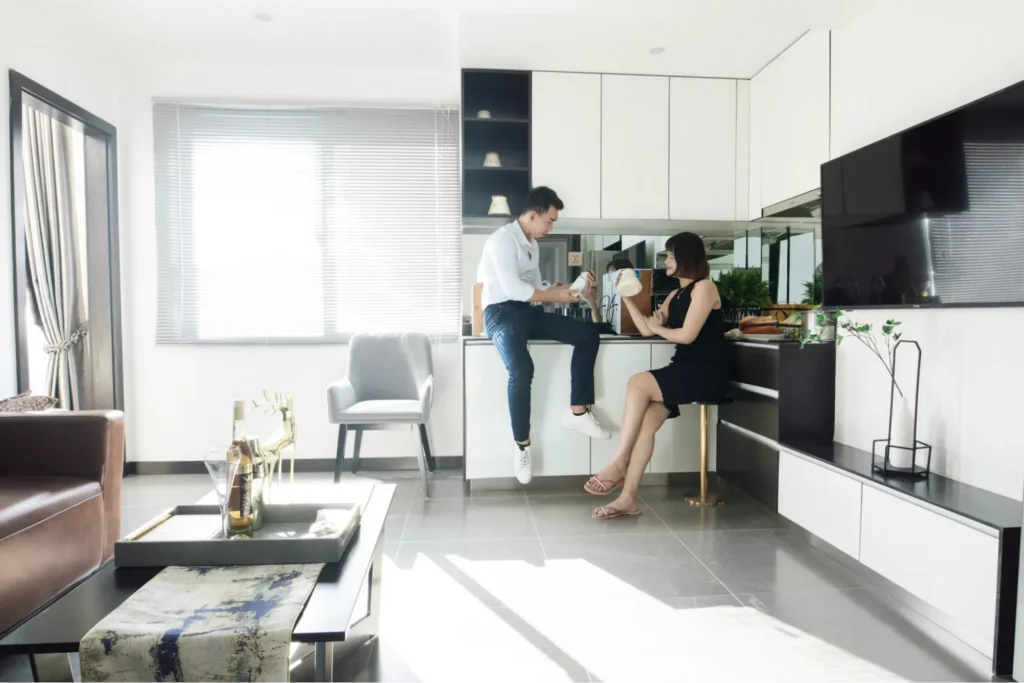
Photo courtesy of I’M ZION via Unsplash
Comparing the pros and cons of each condo setup side by side makes it easier to see which one truly fits your budget, lifestyle, and future plans. What looks like the cheaper option on paper may cost more once move-in expenses are factored in, and what feels convenient today may limit your flexibility later on. Weighing both sides of each configuration helps you make a decision you won't second-guess after signing your lease.
Bare Unit
Advantages
- Lowest monthly rent among the three configurations
- Full creative control over furniture, colors, and layout
- Long-term savings compared to paying a premium for furnishings you didn't choose
- Freedom to choose furniture and appliances at your own pace and budget
Disadvantages
- Higher move-in costs, since furnishing a basic studio or one-bedroom unit in the Philippines can run from ₱100,000 to ₱250,000. This covers beds, sofas, dining sets, and major appliances.
- Requires purchasing your own appliances, including items as basic as an air conditioner or refrigerator
- Longer setup time, since you'll need to shop, deliver, and install everything before the unit feels livable
Semi-Furnished Unit
Advantages
- Balanced rental costs that sit comfortably between bare and fully furnished options
- Reduced move-in expenses, since major fixtures like air conditioning and kitchen cabinets are already in place
- Convenient for everyday living, with the space functional enough to move in from day one
Disadvantages
- Limited customization, since some fixtures are already fixed in place
- May still require additional furniture, such as a dining set or extra storage
It's worth listing exactly what's included before signing, so there are no surprises after moving in.
Fully Furnished Unit
Advantages
- Immediate occupancy, since furniture, appliances, and essentials are already in place
- No furniture investment required on the tenant's part
- Convenient relocation, especially for those moving on short notice
Disadvantages
- Highest rental cost of the three configurations
- Less flexibility to rearrange or replace what's provided
- Possible responsibility for damaged furnishings, depending on what's outlined in the lease agreement
In the end, evaluating total living costs, not just the monthly rent, helps renters land on the unit that offers the best overall value for their situation. Weighing move-in expenses, furnishing costs, and lease terms together gives a clearer picture than looking at rent alone.
If you're still weighing your options, DMCI Homes Leasing offers a practical way to compare real listings side by side rather than relying on estimates alone. Browsing current condo rental listings to see actual monthly rates is a good place to start comparing options. Seeing real listings side by side often makes the trade-offs above easier to picture.
How to Choose the Right Condo Unit for Rent

Photo courtesy of Robert Anash via Unsplash
Choosing the right condo unit for rent means looking at your financial situation, your lifestyle, and your plans for the months or years ahead. The factors below can help you narrow down your options with more confidence.
Consider Your Budget
Your budget covers more than the monthly rent alone. Most residential leases in the Philippines, including condo leases, follow a standard structure of one month's advance rent plus a security deposit, a practice most landlords apply as market convention On top of that, factor in utility expenses: Meralco's residential rate stood at ₱14.3496 per kWh in April 2026, which means a household consuming around 200 kWh a month should expect an electricity bill in the range of ₱2,800, before water, internet, and association dues are added. If you're choosing a bare unit, factor in furnishing costs as well, since that expense arrives before your first month of rent even begins.
Think About How Long You'll Stay
How long you plan to stay changes which configuration makes financial sense. Short-term renters, staying under a year, often save more with a fully furnished condo, since buying and later disposing of furniture rarely pays off in such a short window. Mid-term renters, staying one to two years, may find a semi-furnished unit strikes the right balance between cost and convenience. Long-term renters, staying several years or more, are more likely to recover the upfront cost of a bare unit through lower monthly rent over time.
Evaluate Your Lifestyle
Your daily routine and life stage also shape which unit type fits best. Students and young professionals often prioritize move-in-ready convenience and proximity to school or work over customization. Families and freelancers who work from home may value the flexibility to set up a space exactly the way they need it, from a home office to a dedicated play area. OFWs returning home and digital nomads splitting time between cities often lean toward fully furnished or semi-furnished units.
Factor in Existing Furniture and Appliances
Before deciding, ask yourself a few honest questions:
- Do you already own furniture from a previous home that you'd rather bring with you than replace?
- Are you planning to relocate frequently for work or personal reasons, which would make owning furniture more of a burden than a benefit?
- Do you simply prefer move-in-ready living, even if it costs more each month?
Your answers will point you toward the configuration that fits your actual habits, not just your budget on paper.
Compute the Total Cost
The most accurate way to compare unit types is to add up the total cost of each option. This means factoring in furniture purchases, appliance costs, and even the cost of transporting your belongings if you're bringing items from a previous home. A bare unit with lower rent can end up costing more in the first year once these one-time expenses are included. While a fully furnished unit may prove more economical for a short stay despite its higher monthly rate. Running these numbers side by side reveals which option actually offers the best long-term savings for your situation.
Ultimately, the best condo unit is the one that balances productivity, accessibility, convenience, and lifestyle need. Taking the time to weigh these factors together helps you settle into a home that works for both your budget and your day-to-day life.
Frequently Asked Questions
What is the difference between a bare, semi-furnished, and fully furnished condo unit?
A bare unit comes with finished flooring, walls, and utility connections but no furniture or appliances. A semi-furnished unit adds essentials like an air conditioner and kitchen cabinets. While a fully furnished condo includes complete furniture, appliances, and sometimes kitchenware, ready for immediate move-in.
Which condo unit type is best for first-time renters?
Many first-time renters lean toward a semi-furnished unit, since it offers move-in convenience without the full premium of a fully furnished condo lease. The right pick still depends on your budget and how long you plan to stay in the unit.
Is renting a fully furnished condo worth the higher monthly rent?
It depends on your length of stay and priorities. For short-term renters, students, or expats who need to settle in quickly, for example, the convenience often outweighs the added cost. Rental supply across Metro Manila continues to diversify to meet this demand.
How do I choose the right condo unit for rent?
Weigh your budget, length of stay, lifestyle, and whether you already own furniture before deciding. Computing the total cost of each option, not just the monthly rent, gives the clearest picture of which condo unit for rent actually offers the best value.
Where can I find bare, semi-furnished, or fully furnished condos for rent in the Philippines?
DMCI Leasing offers listings across Metro Manila and other cities, filterable by finish type through the units finder. Browsing the property list is also a good starting point if you're not yet sure which configuration or location fits you best.
Key Takeaways
Choosing between a bare, semi-furnished, or fully furnished condo ultimately comes down to how much convenience you want on day one versus how much control you want over the long run. A few key takeaways from this guide:
- Furnishing level shapes both cost and convenience. Bare units cost less to rent but require more upfront spending. Semi-furnished units balance cost and convenience, while fully furnished condos offer move-in-ready living at a higher monthly rate
- The right choice depends on more than rent alone. Your budget, length of stay, lifestyle, and whether you already own furniture all factor into which condo unit for rent delivers the best overall value.
- Comparing total costs, not just monthly rates, leads to smarter decisions. Factoring in furnishing costs, utilities, and lease terms upfront helps you avoid budgeting surprises after you've already signed.
Ready to find a condo for rent in the Philippines that fits your budget and lifestyle? Browse available listings with DMCI Homes Leasing today.