TL;DR:
Shared accommodation can reduce individual housing costs and make a convenient location or larger condo more affordable. However, it works best when roommates understand their lease, agree on expenses, and respect each other’s routines. Before committing, compare total costs and discuss privacy, chores, visitors, and what happens if someone leaves early.
Renting a condo alone can stretch your budget when transportation, food, utilities, and everyday expenses compete for your income. According to the Philippine Statistics Authority’s preliminary 2025 Family Income and Expenditure Survey, housing and utilities represented 21.6% of Filipino families’ total expenditure—a household figure rather than an individual renter’s budget. Shared accommodation may make renting more manageable, especially near work or school or in a larger unit. This guide explains those potential benefits alongside the schedules, responsibilities, and privacy compromises involved in sharing a home.

Photo courtesy of Jonathan Borba via Pexels
How does renting a condo with a roommate work?
A shared condo arrangement involves two or more people dividing the cost of renting and maintaining a unit. The lease agreement establishes who rents from the landlord and each person’s responsibilities. Everyone might sign one contract, one tenant might sublet an approved room, or the landlord might offer separate room agreements. For separate agreements, confirm your assigned room, common-area access, and responsibility for shared bills.
Sharing a lease as co-tenants
As co-tenants, both roommates appear in the rental agreement and accept its terms, including payment dates and the lease term. Confirm whether the landlord expects one combined payment or accepts separate transfers, and ensure everyone receives a signed copy. Under Article 1207 of the Civil Code, signing together does not automatically make each person responsible for the entire debt, although the contract may expressly provide otherwise. Your private cost-sharing agreement does not, by itself, change obligations owed to the landlord.
One tenant renting a room to another
One person holds the main lease while another pays to occupy an agreed portion of the condo. Article 1650 of the Civil Code generally permits subletting without an express contractual prohibition, while retaining the original tenant’s responsibility. However, Section 8 of Republic Act No. 9653 requires written owner consent for subletting units covered by that law. Check applicable rules, obtain written landlord approval, and document the room, payments, duration, and shared-space access before moving in.
Dividing rent and household expenses
List rent, utilities, internet, association dues where applicable, and shared household supplies before agreeing on contributions. Equal rent shares may suit similar bedrooms, while a larger room or private bathroom may justify a higher contribution. Record payment dates, who pays each provider, and where receipts will be stored. Also, document deposit contributions, how deductions will be allocated, and how refunds will be distributed after the landlord settles the account.
Sharing common areas and household responsibilities
Agree on kitchen, bathroom, laundry, and storage access, including which belongings and groceries remain personal. Assign routine chores and identify who contacts the landlord about repairs, without assuming roommates must pay for every maintenance issue. Before moving in, photograph existing damage, list supplied furniture, and confirm keys, access cards, and occupant-registration requirements. Keep a written roommate agreement alongside the lease, and update household arrangements when circumstances change.
Shared accommodation can take different forms, and the lease structure affects each roommate’s responsibilities. Confirm the arrangement with the landlord and check building rules before paying or moving in. Make sure both roommates understand their obligations and keep copies of the relevant agreements.

Photo courtesy of Gustavo Fring via Pexels
How can renting a condo with a roommate help you save money?
Sharing may reduce individual housing expenses and make a convenient location or larger unit accessible. The PSA’s preliminary 2025 results show that housing and utilities accounted for 27.3% of family expenditure in NCR. These figures explain why housing deserves careful budgeting, but your savings depend on the actual units and expenses you compare.
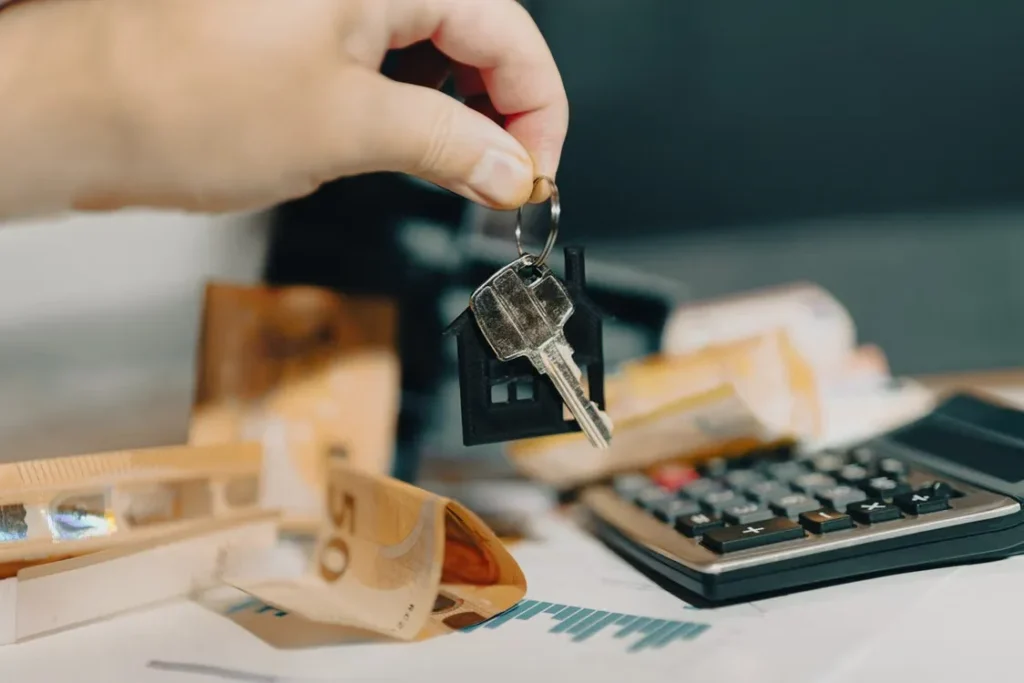
Photo courtesy of Jakub Zerdzicki via Pexels
Splitting the monthly rent
Two roommates dividing a ₱26,000 monthly rent equally would each pay ₱13,000 instead of covering the entire amount alone. However, compare that contribution with a suitable solo rental, rather than assuming every shared condo is cheaper. If bedrooms differ, agree on contributions before choosing rooms and paying the deposit.
Sharing utilities and internet
An internet subscription can serve both roommates, while electricity and water bills can follow an agreed sharing method. However, additional air-conditioning, laundry, or work-from-home hours may increase consumption, so individual costs will not necessarily halve. Discuss unusual usage, access to bill statements, and responsibility for installation, account transfers, or cancellation charges.
Accessing a better location
Combining budgets may bring condos near workplaces, campuses, public transportation, or essential services within reach. Compare rent alongside fares, fuel, parking, and the time required for each person’s commute. Visit the area during your usual travel hours, since a convenient location for one roommate may be difficult for the other.
Choosing a larger unit or more amenities
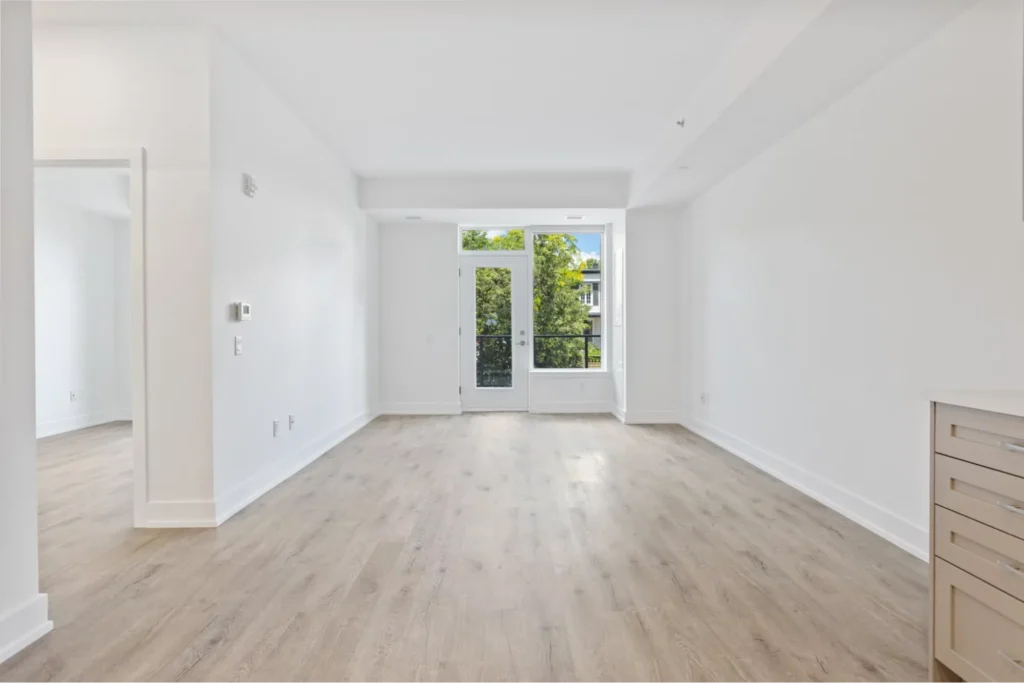
Sharing may allow you to afford separate bedrooms and a more functional kitchen, dining area, or workspace. Check whether the layout supports simultaneous activities, such as online meetings and meal preparation, without disturbing either person. Confirm tenant access to amenities, operating hours, additional fees, and occupancy limits before counting facilities as benefits.

Photo courtesy of Lyndon Opalla1 via Pexels
Comparing the total cost of shared living
Compare complete monthly costs rather than advertised rent alone. This example contrasts a smaller solo rental with a larger condo shared equally by two people. The amounts are illustrative, not market averages or DMCI Homes Leasing quotations.
| Monthly expense | Renting alone: your cost | Shared condo: household total | Shared equally: your cost |
| Rent | ₱18,000 | ₱26,000 | ₱13,000 |
| Utilities and internet | ₱3,000 | ₱4,800 | ₱2,400 |
| Household supplies | ₱600 | ₱1,000 | ₱500 |
| Monthly total | ₱21,600 | ₱31,800 | ₱15,900 |
Sharing saves ₱5,700 per person monthly in this example. Add association dues if excluded, plus parking, transport, groceries, and other personal spending. Budget separately for deposits, advance rent, moving charges, and furniture, while keeping funds available for unexpected expenses.
When comparing a condo for rent in the Philippines, use DMCI Homes Leasing’s Property List to identify developments in suitable locations. Shortlist options that meet both roommates’ commuting and space requirements. Confirm available rentals and complete charges before treating a listing as a final quotation.
The Units Finder offers filters including location, bedrooms, budget, and capacity. Compare suitable listings, then ask about permitted occupancy and required documents. For ready-for-occupancy condominiums, confirm the actual move-in date rather than assuming immediate availability.
Sharing can lower costs, improve access to convenient locations, or make a larger unit possible. Choose the arrangement that remains affordable after accounting for your complete monthly expenses. Leave enough room in your budget for personal needs and unexpected bills, rather than committing all potential savings to higher rent.
What should you consider before choosing a roommate?
A roommate’s habits can affect your sleep, productivity, privacy, and comfort, even when you get along socially. A 2024 study published in BMC Public Health documented both social benefits and difficulties involving conflict and different schedules among international students sharing accommodation in Australia. Although those findings do not represent Philippine renters, they reinforce the value of discussing everyday expectations before moving in.

Photo courtesy of Alena Darmel via Pexels
Lifestyle and daily routines
Compare weekday and weekend routines, including sleep, work, study, cooking, and social activities. Discuss quiet hours, online meetings, smoking, pets where permitted, and any household preferences that could affect compatibility. Before committing with someone unfamiliar, meet first and consider mutually agreed references from previous housemates.
Cleanliness and household chores
Define cleanliness through specific expectations, such as washing dishes after meals and cleaning bathrooms weekly. Divide tasks using a rotating schedule or agreed responsibilities, including buying supplies and taking out rubbish. Discuss how you will cover chores during illness or travel, and agree before hiring paid cleaning services.
Privacy and personal boundaries
Decide whether you are comfortable sharing a bedroom or need a separate room to rest and concentrate. Review bathroom schedules, storage allowances, work areas, and permission before borrowing belongings or entering private rooms. If the layout cannot meet an essential privacy need, consider another unit even when the rent looks attractive.
Guests, partners, and overnight visitors
Agree on notice, visiting hours, overnight frequency, parties, and how guests may use common areas. Discuss when a frequently visiting partner would require a fresh conversation about expenses, privacy, and approved occupancy. Follow building registration and security rules, and never assume a roommate’s agreement overrides the landlord’s requirements.
Financial habits and reliability
Discuss whether each person can afford their contribution throughout the lease term, including months with irregular freelance income. Set payment dates before bills fall due, keep a shared expense record, and assign responsibility for reminders. Agree on steps for late payments, income loss, and early departure, including notice, replacement approval, outstanding bills, and deposit settlement.
Conflict resolution and communication
Raise concerns early using specific examples, such as late-night calls interrupting sleep, and suggest a practical adjustment. The University of Arizona’s housing guidance recommends documenting expectations and planning how disagreements will be resolved. Use a regular check-in to review arrangements, record agreed changes, and involve the landlord when an issue concerns the tenancy rather than household preferences.
A compatible roommate does not need to share all your interests. Both people should respect each other’s routines, finances, and boundaries, while feeling comfortable discussing concerns. If your expectations differ significantly, resolve those differences before signing a lease together.

Photo courtesy of Liza Summer via Pexels
Frequently asked questions (FAQs)
Is renting a condo with a roommate cheaper than living alone?
It can be, especially when you divide rent and fixed expenses such as the internet. Compare your complete contribution with a realistic solo option, including transport, association dues, and upfront costs. A larger shared unit may still cost more than a smaller solo rental, depending on its location and inclusions.
Can I rent out a room in my condo to a roommate?
If you are a tenant, review the lease, applicable rental rules, and condominium policies before offering a room. Obtain written landlord approval for the proposed arrangement. Section 8 of Republic Act No. 9653 requires written consent for subletting units within its coverage.
How should roommates split rent and utilities?
An equal split may suit similar rooms and usage patterns. Otherwise, agree on room-based rent contributions and a separate method for dividing utilities. Record the amounts, payment dates, and how you will handle changes in usage.
What should I discuss with a potential roommate before moving in?
Discuss schedules, cleanliness, privacy, guests, finances, and shared belongings. Confirm your expected length of stay and how you will handle disagreements or changes in circumstances. Identify any nonnegotiable needs, such as a private bedroom or quiet working hours, before choosing a unit.
What happens if my roommate moves out before the lease ends?
Review notice requirements, early termination provisions, and the process for approving a replacement. Moving out does not necessarily end contractual obligations, so confirm any release or lease amendment with the landlord in writing. Also, document how you will settle outstanding bills, shared purchases, and deposit contributions.
Key takeaways
Sharing a condo can support your budget and daily comfort when the arrangement fits both roommates’ needs. Clear expectations help both people manage responsibilities and avoid misunderstandings. Before deciding, keep these points in mind:
- Compare complete costs: Include recurring expenses, upfront payments, and a buffer for unexpected costs when assessing potential savings.
- Clarify responsibilities in writing: Understand the lease structure, permitted occupancy, payment obligations, and arrangements for deposits or early departures.
- Choose compatibility alongside affordability: Discuss routines, privacy, guests, and chores before committing to a shared home.
If you are exploring shared accommodation, DMCI Homes Leasing provides a starting point for comparing condominium options. Shortlist units that suit both roommates’ budgets and daily routines. Then, contact the leasing team to confirm availability, occupancy requirements, and move-in arrangements.