Introduction
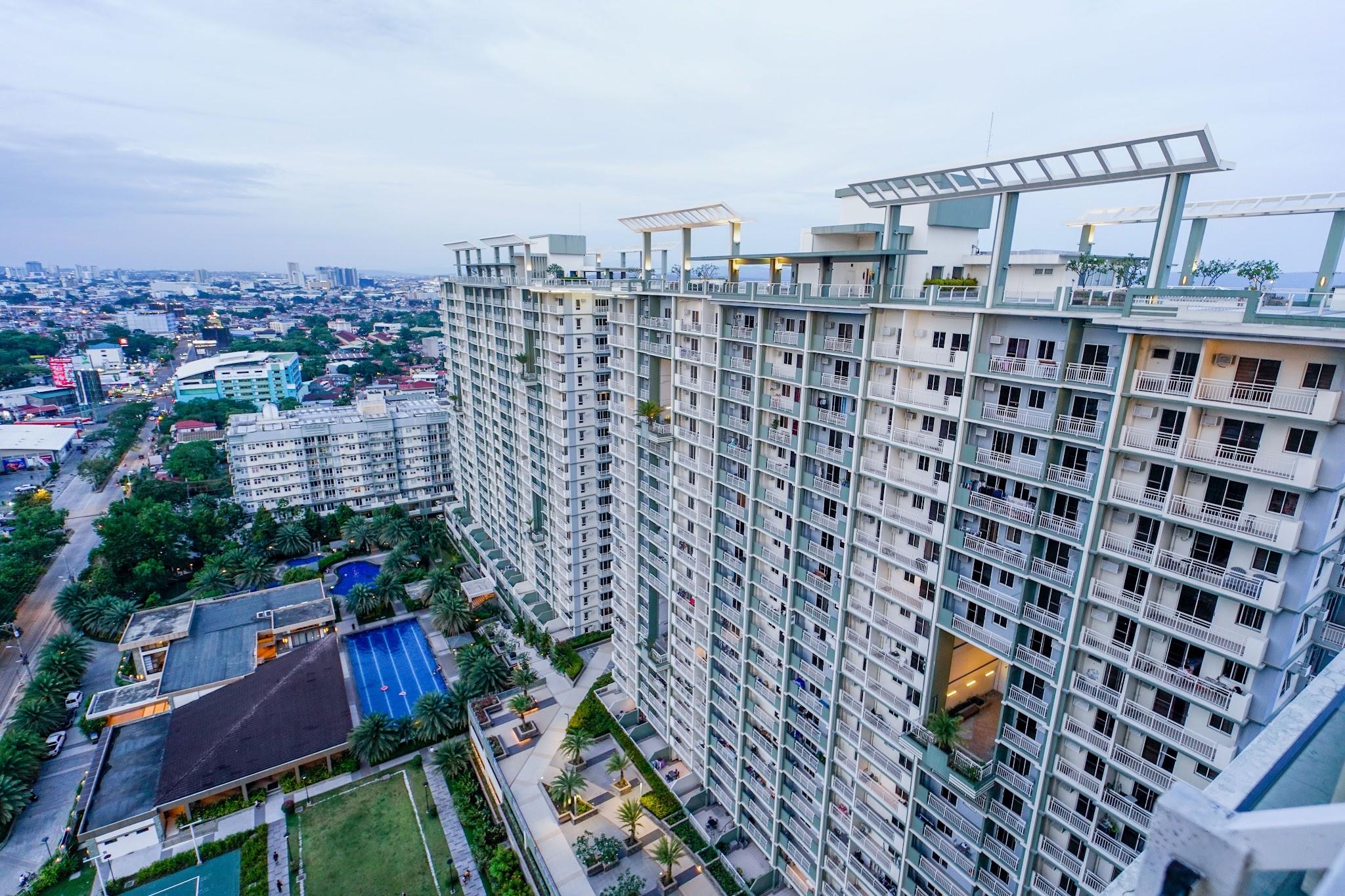 Photo courtesy of Lyndon Opalla1 via pexels
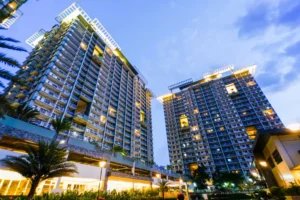
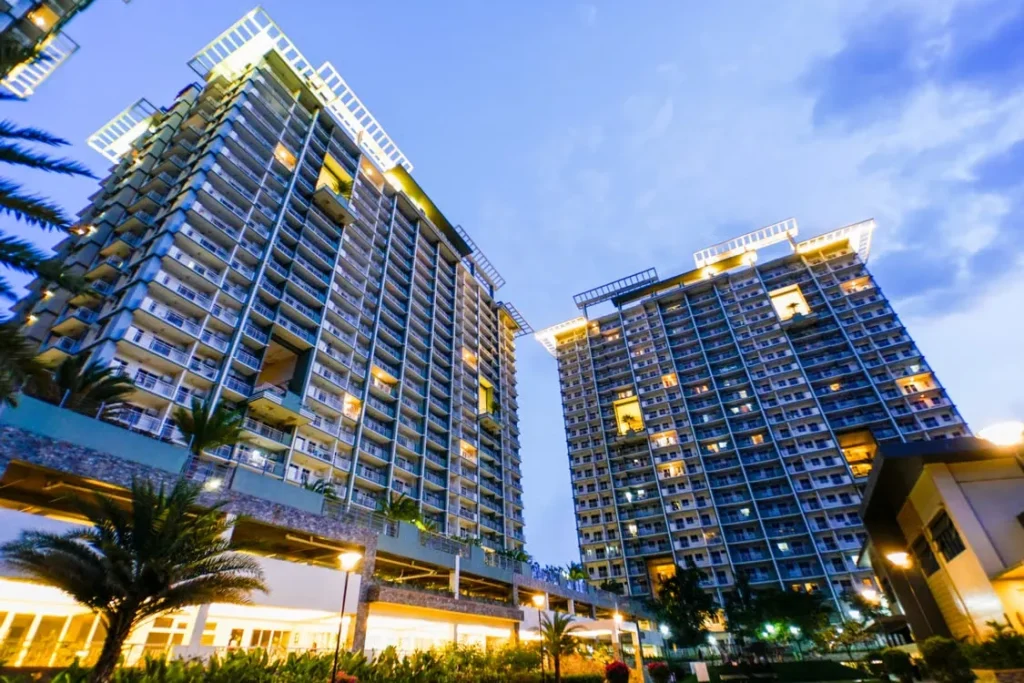
Condo for rent in the Philippines remains a leading housing choice in urban areas across the country. Metro Manila’s residential rental market features extensive inventory across key business corridors, offering renters a wide selection of choices varying levels of property upkeep. Recognizing green, beige, and red flags helps renters make smarter, more secure housing decisions tailored to their daily lifestyle and budget.
Conducting a thorough ocular inspection, evaluating property management, and reviewing lease terms are essential steps before making your long-term financial commitment.
Green Flags to Look for When Renting a Condo Unit
Green flags are positive indicators that a condominium property is well-managed, safe, and built for long-term comfort. Identifying these qualities early gives you peace of mind, ensuring you that the living environment supports your daily convenience and hassle-free tenancy. Evaluating a property’s baseline condition, management standards, and surroundings helps guarantee that your monthly rent provides genuine value.
Clean and Well-Maintained Building
A building’s general cleanliness reflects the dedication of its property management office (PMO). Inspect the condo common areas, swept hallways, properly sanitized waste disposal chutes or rooms, and functional elevators with up-to-date maintenance logs. Regular cleaning schedules and prompt repairs indicate an active administrative team that prioritizes resident hygiene and building longevity.
Reliable Security Measures
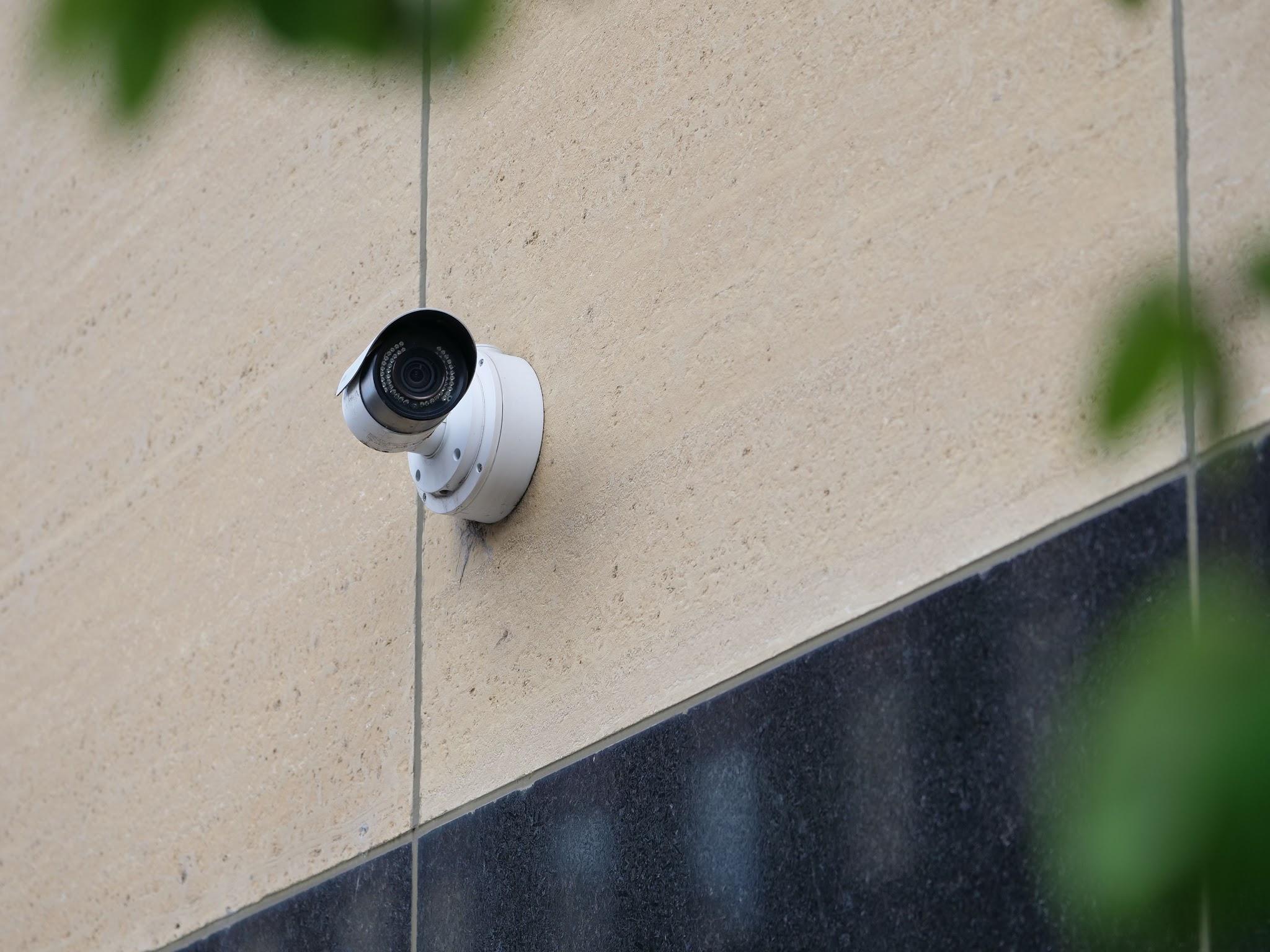 Photo courtesy of Giant Asparagus via pexels
Safety should be your top priority when looking for a condo for rent. A secure condo features 24/7 uniformed security personnel, operational CCTV cameras covering hallways and common areas. You must also check if the condo is implementing a structured visitor registration, and structured emergency evacuation procedures.
No Visible Unit Defects
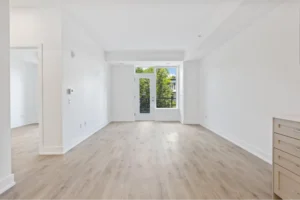
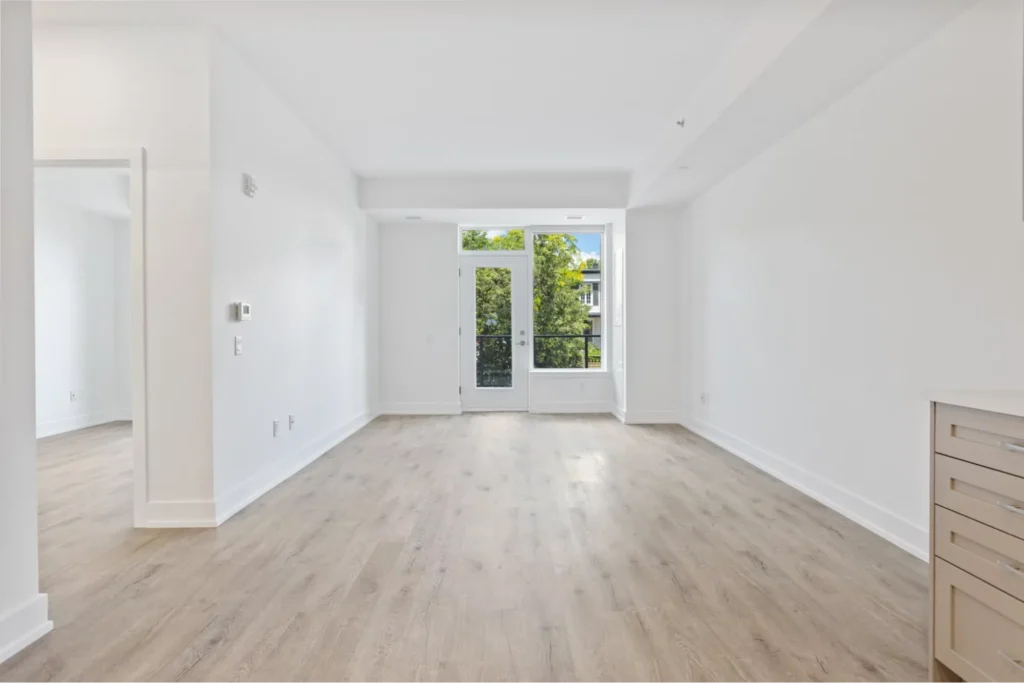
Always remember that a healthy rental unit should show no structural neglect. During your condo walk-through, check the ceilings and walls if there are visible water stains, molds, deep cracks, bubbling paint. You must also check functional window seals, ensuring proper natural ventilation and dry surfaces. These simple condo check-ups can prevent health hazards and unexpected repair costs during your stay.
Fully Functional Utilities and Appliances
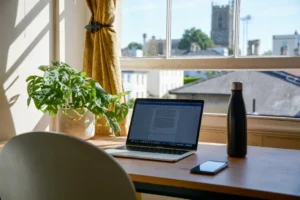
When having an ocular inspection, you must test all essential fixtures of the condo unit before signing the rent agreement. Turn on faucets, showerheads, and toilets for you to check the condo water pressure and drain speed. Inspect the condo electrical outlets, light switches, air conditioning units, and kitchen appliances. You must also verify the availability of internet providers and the internet readiness of the unit, to support if you are in a work-from-home setup.
Transparent Lease Agreement
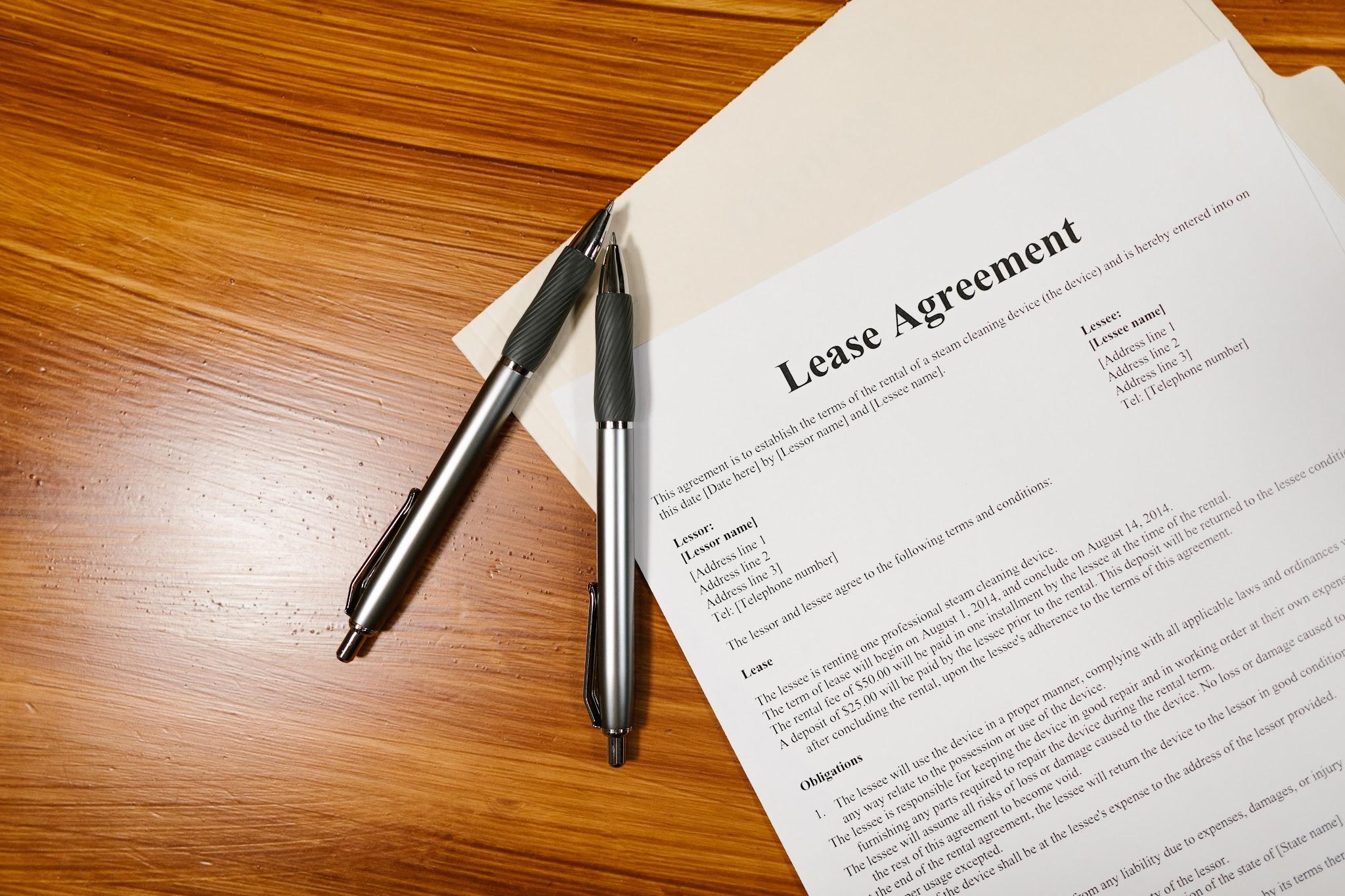 Photo courtesy of RDNE Stock Project via pexels
A reliable landlord or property manager provides a clear, straightforward contract without ambiguous clauses and provisions. A transparent lease contract clearly outlines the exact monthly rental rate, security deposit and advance payment requirements. The lease contract must also specify the division of maintenance responsibilities, lease renewal conditions, and move-in move-out policies.
Safe and Convenient Location
You must also assess where the condo property is located. If the condo is located at a prime location, it reduces your daily commute stress and enhances convenience. Choose condo developments near key establishments such as supermarkets, wet markets, hospitals, schools, public transit hubs, and business districts. Proximity to daily destinations saves your significant time and transit costs.
Well-Maintained Amenities
Lifestyle amenities should match the promotional materials. Inspect the condo swimming pools if it is properly maintained, check the condo gym equipment if it is fully functional and safe. You must also inspect the function halls, open gardens, and sky lounges if they are properly maintained. Well-kept condo amenities and recreational facilities offer true added value to your rental package.
Reputable Property Management
An organized condo property management office ensures your smooth day-to-day operations. Check for responsive maintenance, clear tenant request processes, positive resident reviews, and established procedures for handling community concerns.
If you are exploring condominium options in prime urban locations, browsing verified managed portals can simplify your decision-making. You can explore DMCI Homes Leasing, check available units, compare leasing options, and navigate property search pages to find spaces that suit your budget and commute preferences. A condo's ultimate suitability depends on its physical condition, features, and how well it aligns with your financial capacity and long-term goals.
Beige Flags: Things That Aren't Deal-Breakers but Deserve a Second Look
Beige flags are neutral condo property aspects that are not inherently unacceptable, but require your careful consideration. Their impact depends entirely on your lifestyle, daily routine, and personal willingness to compromise.
Older but Well-Maintained Building
 Photo courtesy of Sergei Starostin via pexels
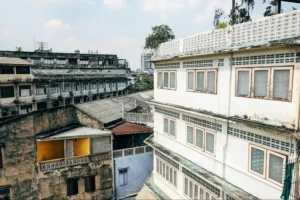
Old condo buildings are not an immediate drawback if the structure is solid and well-kept. Check if the condo building has a retrofitting plan, updated electric plumbing inspections, elevator maintenance, and renovated lobbies. Structural upkeep and proper facility maintenance often outweigh condo building age.
Basic Amenities
Some condo developments focus on core essentials rather than luxury features. A smaller gym or a modest lap pool may not offer the same experience as a report-style facility. If you rarely use recreational amenities, choosing a condo with basic facilities can help lower dues and rental cost.
Strict but Reasonable House Rules
Strict property management regulations regarding visiting hours, noise curfews, pet size limits, and designated move-in schedules might feel restrictive to some tenants. However, these regulations help to maintain peaceful community living and protect building safety, making them a worthwhile trade-off for quiet seeking condo tenants.
Limited Parking
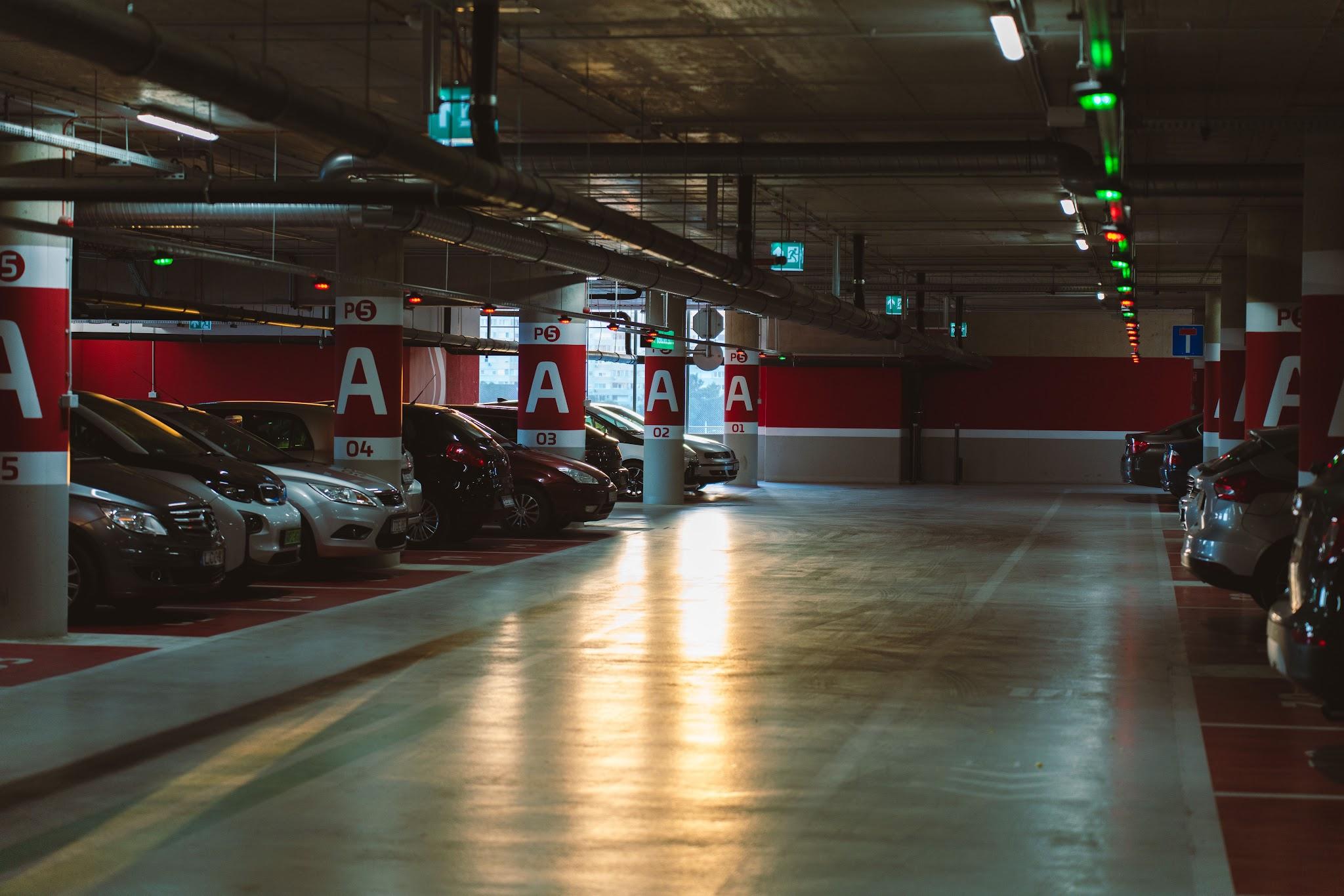 Photo courtesy of Tibor Szabo via pexels
In dense urban areas, parking spaces are often limited or require separate rental fees. If you own a vehicle, inquire whether the condo property offers shared parking slots, basement parking rentals, or nearby pay-parking options exist. For non-car owners, this factor has minimal impact on daily life.
Units Facing Busy Roads
Choosing a condo facing a major road can improve accessibility. Keep in mind that these units may also experience more street noise and dust. You must inspect window soundproofing and window seals to help determine whether urban convenience outweighs slight ambient noise.
Smaller Living Space
Studio and compact one-bedroom units require efficient spatial planning. Smaller units may not suit growing families. However, they can work well for young professionals and students who prioritize location and lower utility bills over more space.
Limited Public Transportation
If a condo is slightly tucked away from major transit lines, you must evaluate alternative options like shuttle services, tricycle routes, walking distances, or ride-hailing availability. Weighing travel time against quieter surroundings helps clarify if the location fits your schedule.
Red Flags That May Signal a Problematic Condo Rental
Identifying red flags early protects renters from unexpected financial burdens, health hazards, safety risks, and stressful lease terms. Disregarding these warning signs often leads to costly early lease terminations or uncomfortable living conditions.
Poorly Maintained Building
When doing an ocular inspection, observe if the condo property is being maintained. Check if the presence of neglected hallways, dim lighting, broken elevator units, uncollected trash, and peeling paint. These are a strong sign of financial or administrative issues within the property management office. Deferred maintenance usually worsens over time, affecting daily living comfort of the tenants of the condo property.
Leaks, Mold, and Water Damage
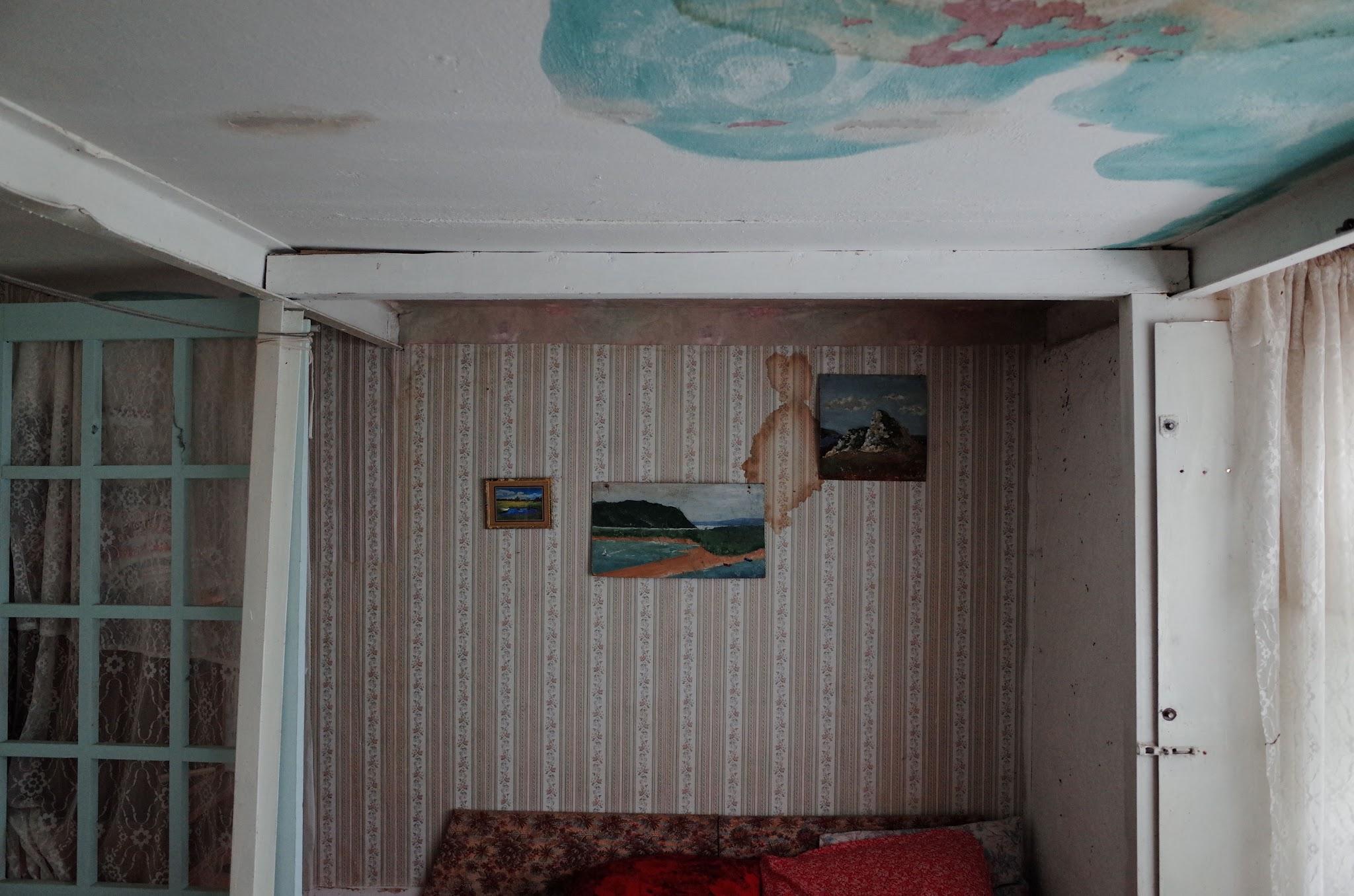 Photo courtesy of Marina Leonova via pexels
Check if there are presence of ceiling and wall discoloration, damp drywall, musty odors, and visible mold growth. These are indications of ongoing or unaddressed plumbing leaks. Water damage can ruin your personal furniture and poses respiratory health risks, making it an immediate deal-breaker.
Pest Problems
Evidence of cockroaches, rodents, or termites points to poor sanitation practices or inadequate pest control measures across the building. Pest infestations spread quickly in high-rise structures and are difficult to eradicate individually. These infestations pose health risks for every tenant in the condo community.
Weak Security
During your condo inspection, check whether security desks are staffed, access points are working, and CCTV cameras are operational. Do not hesitate to ask the property management office if the condo is conducting a visitor screening for the personal safety of tenants. The presence of secure building entry systems and equipped condo security personnels are essential for peace of mind of condo tenants.
Hidden Fees or Unclear Lease Terms
Watch out for landlords or condo agents who avoid putting agreements in writing, charge undisclosed association fees, or provide unclear terms. Clarify how security deposits are refunded and who handles maintenance before signing the lease. This helps avoid misunderstanding when you move out.
Poorly Maintained Amenities
 Photo courtesy of Pavel Danilyuk via pexels
You must check how the property management maintains the condo amenities. Broken facilities, hazardous gym equipment, dirty pool water, and unmaintained common areas may indicate poor property management. Paying full rental fees for inaccessible or unsafe amenities reduces overall property value.
Persistent Noise and Poor Ventilation
Inadequate wall soundproofing, heavy nearby construction, poor window seals, or windowless interior rooms cause discomfort. Poor airflow leads to heat build-up and stale indoor air, impacting long-term health and well-being.
Spotting these critical red flags during unit viewings prevents long-term lease regret and ensures your rental budget goes toward a safe, well-maintained home.
Frequently Asked Questions
What are the most important green flags for a condo rent in the Philippines?
 Photo courtesy of Lyndon Opalla1 via pexels
The key green flags include professional 24/7 building security, clean and well-maintained common areas, and responsive property management. Functional utilities, clear lease contracts, and convenient access to essential establishments are signs of good property management and upkeep.
What are beige flags in a condo rental?
Beige flags are neutral characteristics that depend on lifestyle preferences rather than safety risks. Beige flags include older building design, basic amenities, strict community rules, limited parking, or compact unit space.
What red flags should I avoid when renting a condo?
Critical red flags include water leaks, mold, pest infestations, broken elevators, and inadequate security. Unaddressed structural maintenance, uncooperative landlords, and hidden contract fees is also a sign of problematic property management.
What should I inspect during a condo viewing?
Check plumbing fixtures for water pressure and leaks, test electrical and air-conditioning units and leaks, test electrical outlets and air-conditioning units, and inspect walls and ceilings for dampness or cracks. You must also evaluate the common areas like elevators, hallways, and garbage rooms. Lastly, always check if the property management has security and evacuation plans for tenants when it comes to emergency situations.
What are the important factors to consider before renting or leasing a condo?
Before renting a condo, you must consider your total monthly budget (including rent, association dues, and utilities) if you can sustain your stay in the condo. You must also consider the lease agreement terms and conditions, property location, management reputation, security features, and overall unit condition.
Key Takeaways
- Conduct Comprehensive Inspections: Look beyond surface aesthetics by testing utilities, checking for dampness or pests, and inspecting common building spaces before committing to a lease.
- Balance Compromises Wisely: Learn how to distinguish between neutral beige flags that suit your lifestyle trade-offs and critical red flags that compromise health, budget, or personal safety.
- Review Contracts Thoroughly: Never forget to ensure that all financial terms, repair responsibilities, security deposit details, and building rules are explicitly documented in a transparent lease contract.
To discover comfortable, securely managed, and resort-inspired rental spaces across prime urban locations, connect with DMCI Homes Leasing.